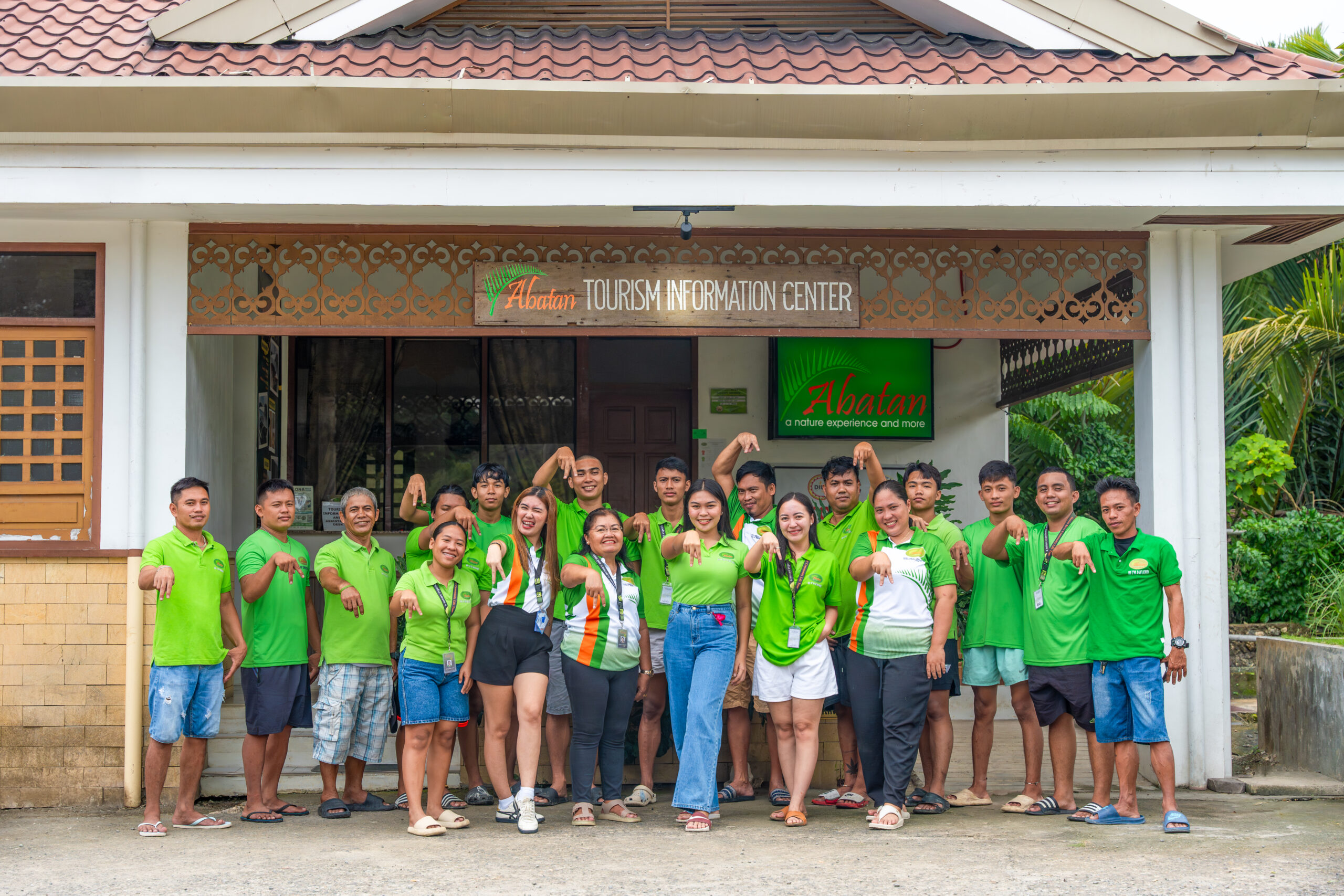
What we do
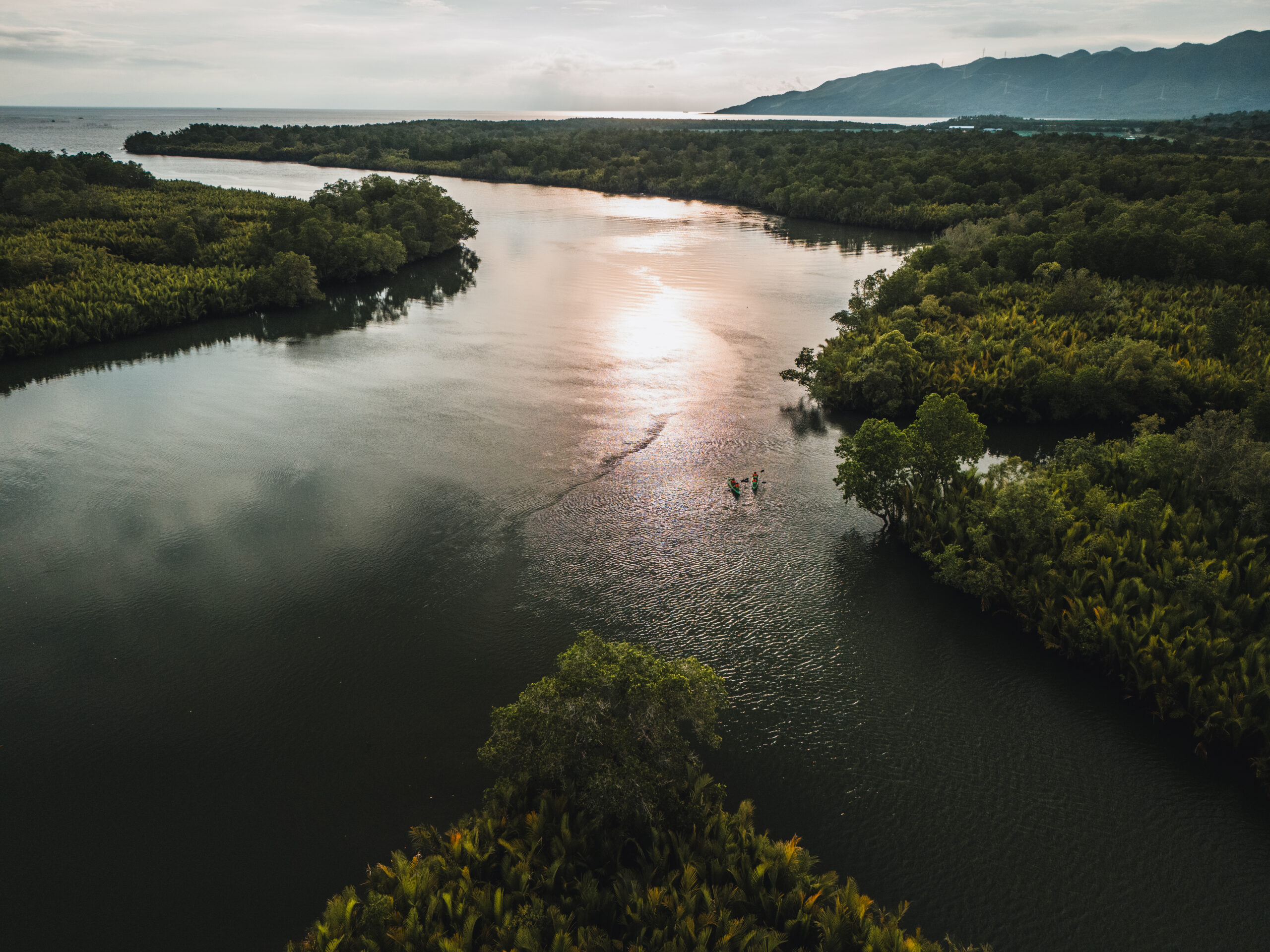
Embark on these unforgettable adventures and discover the true essence of the Abatan River!
THE ABATAN RIVER COMMUNITY-BASED TOURISM DEVELOPMENT

The Abatan Watershed
The Abatan Watershed is the third largest of the 11 major watershed networks that support water needs and other requirements of the island province of Bohol.It covers some 38,628 hectares or close to 9% of the province’s total land area. It has three distinct land divisions, coastal, lowland and upland.
The watershed occupies all or parts of 115 barangays in thirteen (13) municipalities, namely, Antequera, Balilihan, Calape, Catigbian, Clarin, Corella, Cortes, Loon, Maribojoc, Sagbayan, San Isidro, Sikatuna, and Tubigon. Four (4) of these municipalities, namely: Antequera, Balilihan, Catigbian and San Isidro are considered major as most of their land area is located inside the watershed boundaries. The combination of these big four municipalities accounts 63% of the total watershed area or approximately 24,224 hectares.
The watershed consists largely of alienable and disposable lands (about 85.5% of total area or 33,032 hectares), thus are privately owned. However, the land still has a good vegetative cover of forests, wooded lands, shrubs, and mangroves that cover more than half of the area. This makes for a biologically diverse watershed. About 40% of the watershed (16,094 has) is devoted to the production of agricultural products as almost 60% of the watershed (22,946 has) is on level to undulating to rolling topography with slopes ranging from 0 to 18%. Basically, these areas support the economy of their component municipalities in varying degree according to the area of each municipality within the watershed.
The watershed has a population of 93,987 inhabitants (2007 census), who are generally agriculture dependent. However, the watershed is gifted with several tourist attractions and natural endowments that can be tapped for ecotourism purposes. The Abatan Watershed is the nearest major watershed to the capital City of Tagbilaran, thus making its natural resources prone to pressure from aggressive urbanization and development.
Therefore, in order to enhance and protect its value to people the area should be managed well by the local stakeholders as well as by outsiders who come to enjoy the bounties of nature that are available in the watershed.
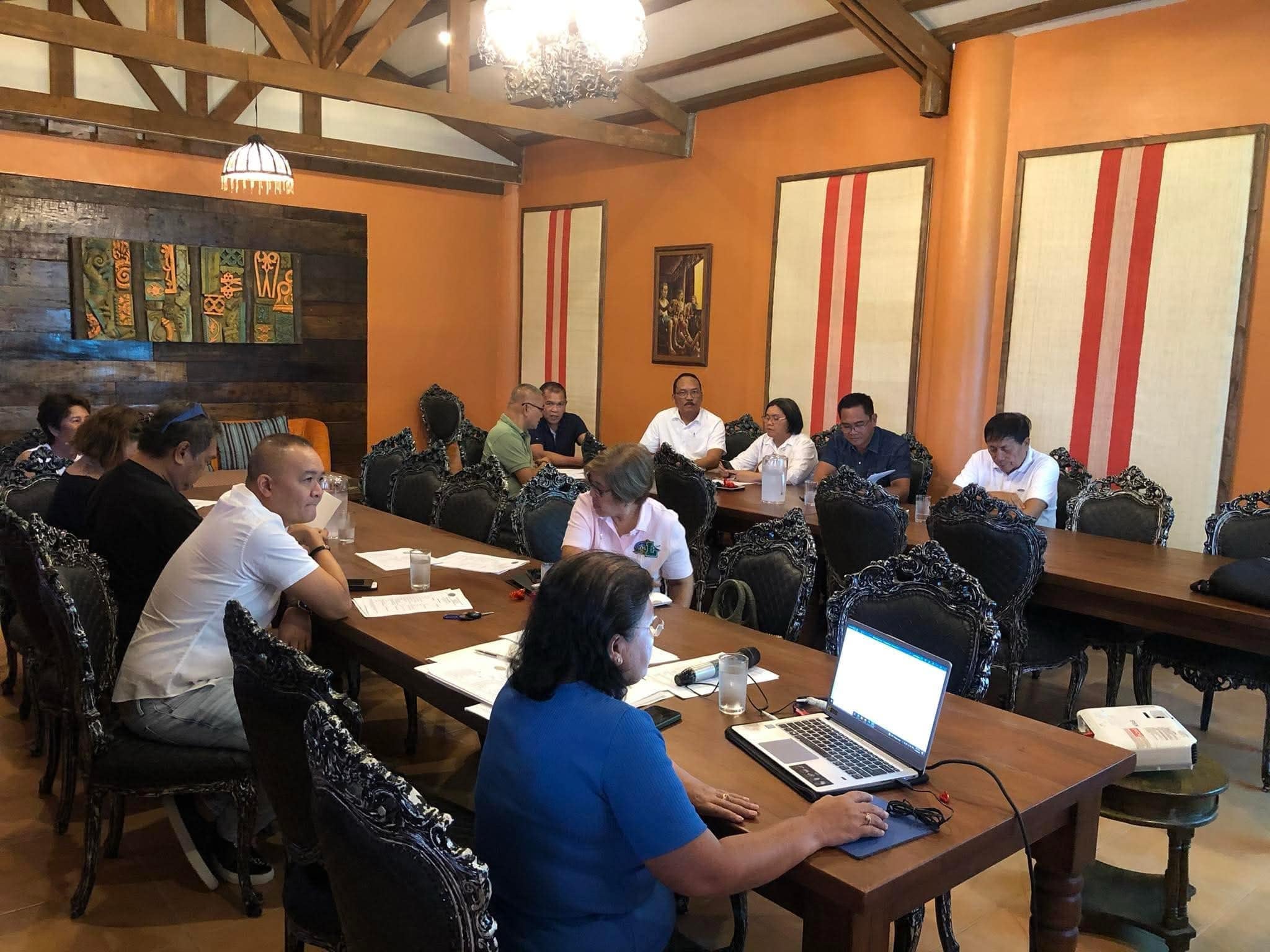
In the early 1999, initial conservation efforts within Abatan Watershed particularly along Abatan River was undertaken by PROCESS-Bohol, a social development NGO operating in the province of Bohol. A convergence of six (6) municipalities was facilitated that led to the formation of the Abatan Technical Working Group (TWG) which is multi-sectoral in composition and tasked to heighten the environmental consciousness among the people living in the watershed and the LGUs. These municipalities were Antequera, Balilihan, Catigbian, Cortes, Maribojoc and San Isidro. The TWG was able to engage with the LGUs making them aware of their primary responsibility in protecting the environment.
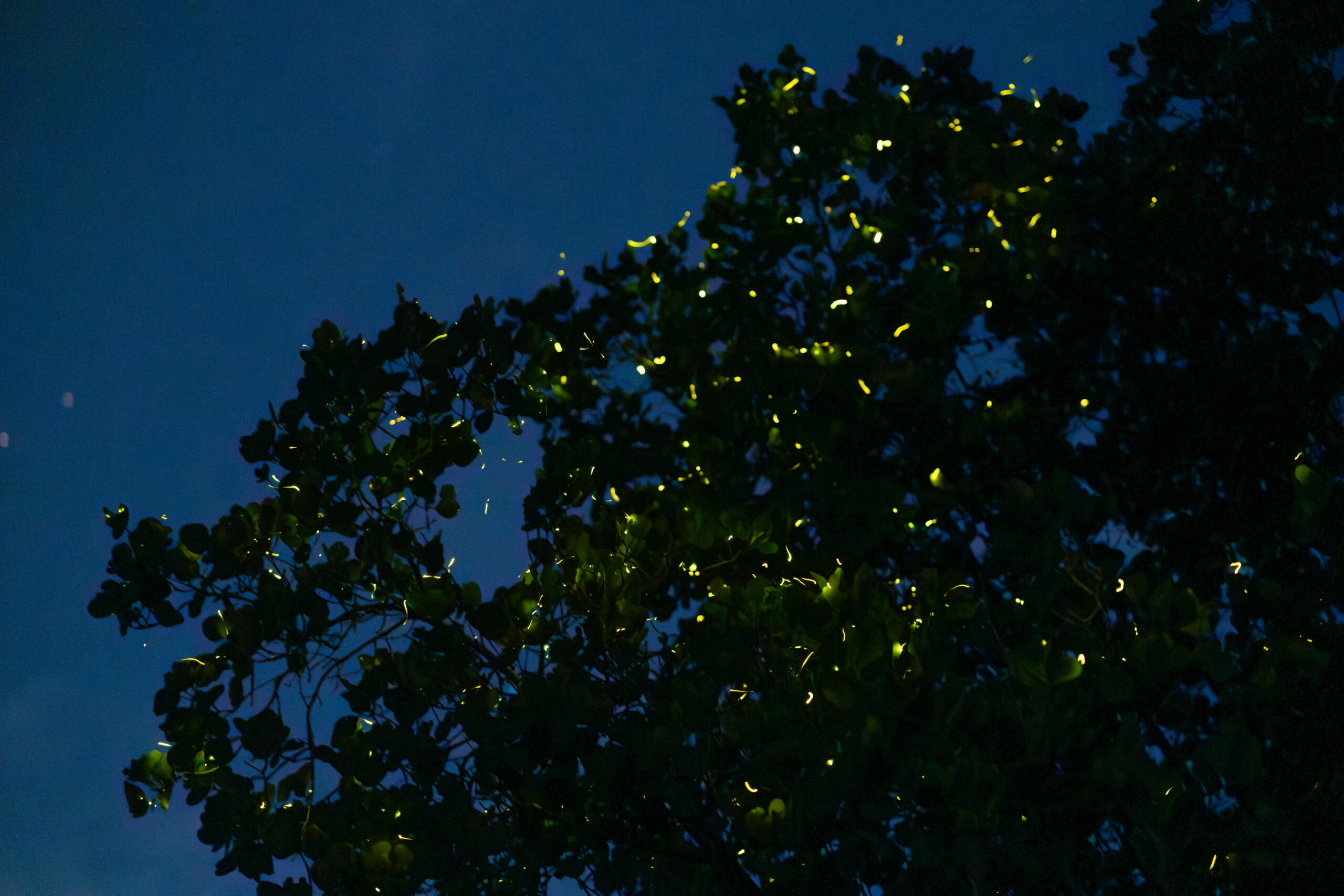
Fireflies belong to the family Lampyridae and are members of the largest order in the insect kingdom, Coleoptera, commonly called beetles. Fireflies are well-known for their bioluminescence, e.g. use of light signals for specie recognition during mate search.
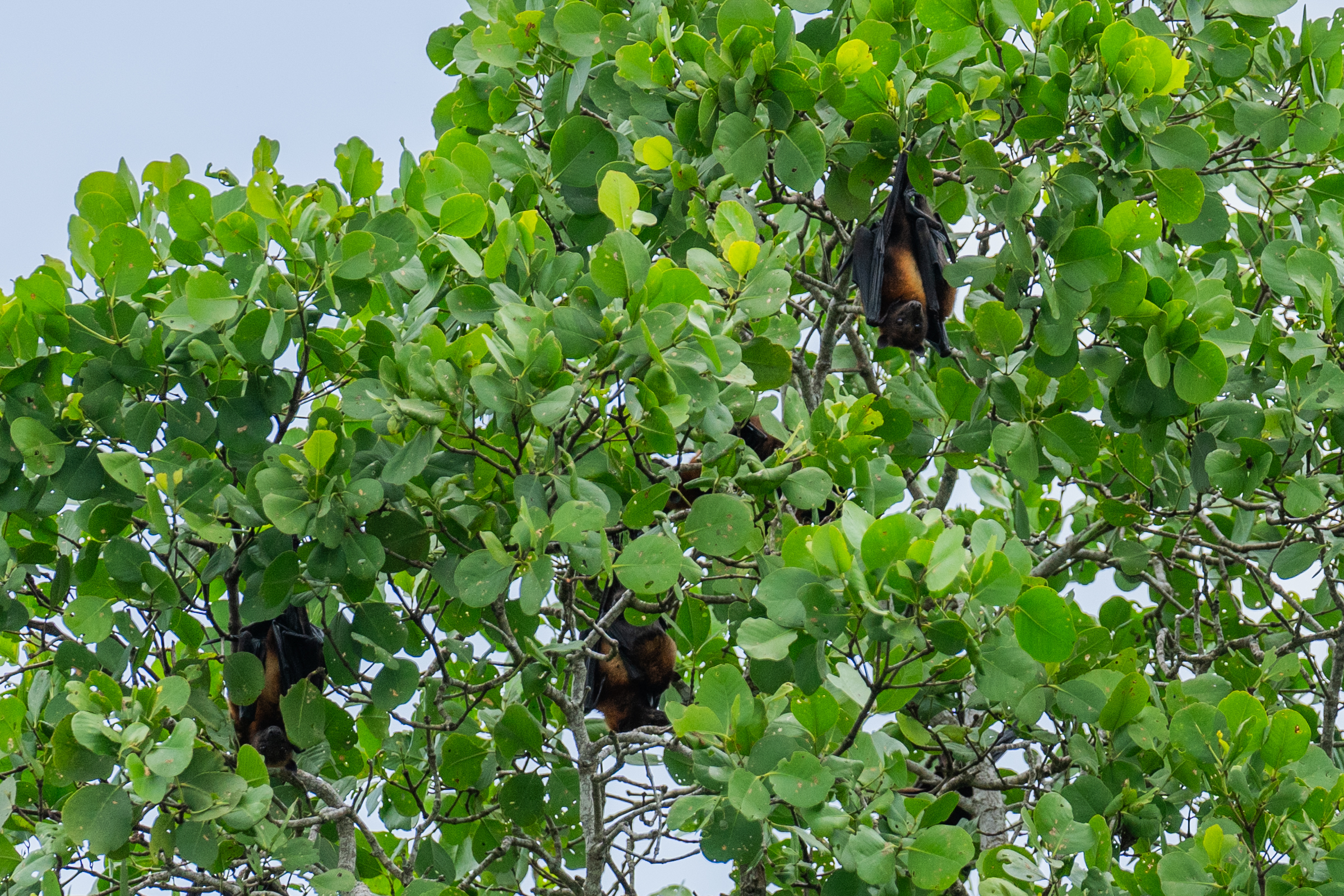
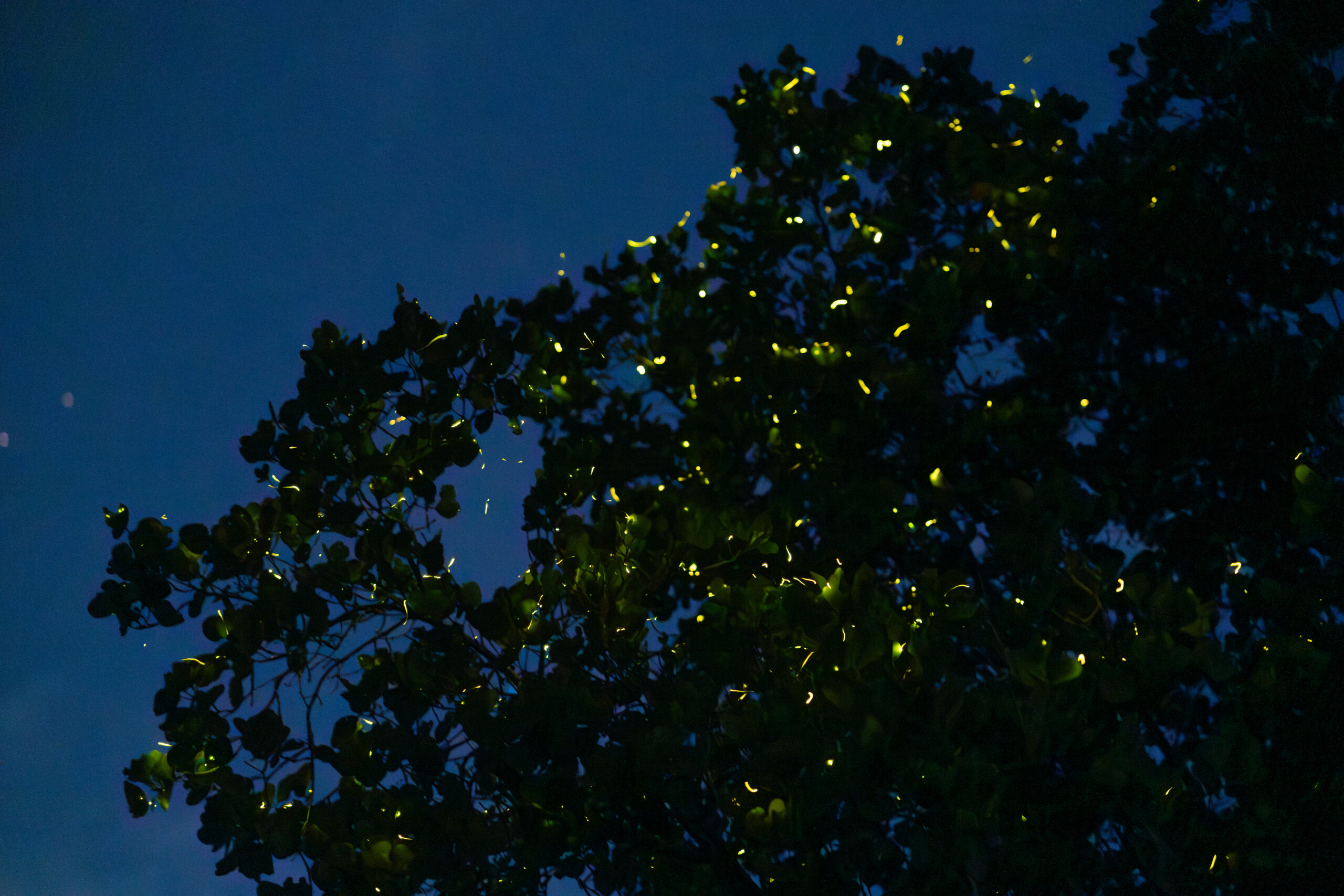
RESEARCH
Research on Mangroves and Fireflies in Abatan River by a former student from the Van
Hall Larenstein University of Applied Sciences (VHL), Marcel J. Middeljans, a BSc
Tropical Forestry and Nature Management, as his thesis.
Periodic research on the Updated Status of the Maribojoc Bay Mangrove Forest, Bohol,
of which Abatan is part of it by Dr. Hilconida P. Calumpong, et al from the Institute of
Environmental and Marine Sciences, Silliman University Dumaguete City.
Abatan River: A Living Eco-museum
• Museum without walls
• Emphasis on the link with history, landscape, natural resources and agricultural
practices with active participation of local communities
• Inclusion of Abatan River in the world eco-museum map
• The first eco-museum in the country
• Signages of mangroves and directions were installed.